Everything About Property Listings Online
Thorough Guide to Strategic Property Listing Approaches for Home Sellers and Real Estate Agents
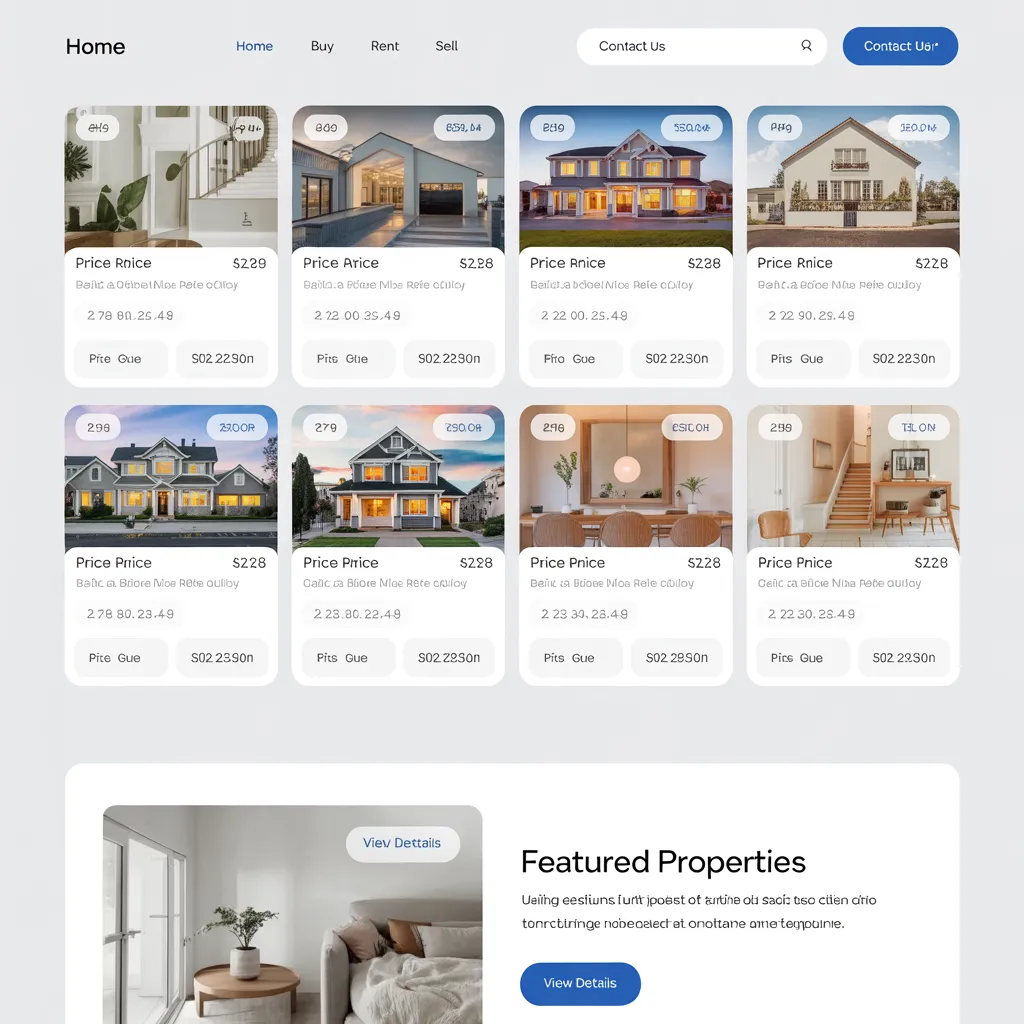
In the competitive landscape of real estate, effective property listing strategies are essential for home sellers and agents alike. Understanding target market demographics can considerably shape outcomes. In addition, crafting compelling descriptions and leveraging high-quality imagery are essential components. However, the nuances of timing and pricing commonly determine a sale. Analyzing these facets can demonstrate strategies that boost listing success and attract prospective buyers in a dynamic market.
Understanding Your Target Market
In what ways can a property seller successfully adapt their methods to draw in potential purchasers? Grasping the intended market is fundamental for any property seller striving for achievement. By recognizing buyer demographics, tastes, and behaviors of potential buyers, sellers can adapt their strategies accordingly. For instance, a young family may place emphasis on closeness to educational facilities and recreational areas, while retirees might value peace and easy access. Investigating regional patterns can offer understanding of what attributes and amenities are sought after.
Moreover, sellers should evaluate the emotional triggers that resonate with their target demographic. Tapping into lifestyle aspirations can elevate a property's attractiveness. Participating in local community events or social media groups can also expand knowledge about buyer preferences. Essentially, a well-rounded grasp of the target market allows sellers to present their properties in a way that aligns with buyer expectations, consequently improving the likelihood of a successful sale.
Writing Persuasive Property Descriptions
Writing compelling property descriptions needs a keen focus on unique features that set a property apart. Vivid language plays an essential role in painting a striking picture for potential buyers, while creating an emotional connection can enhance their interest. By combining these elements strategically, listings can resonate more meaningfully with the target audience.
Spotlight Distinctive Features
To efficiently capture the attention of potential buyers, real estate agents must highlight the unique features of a property in their descriptions. These distinctive attributes can make a listing apart from others, making it memorable and appealing. Features such as custom architecture, energy-efficient appliances, or a beautifully landscaped garden can attract interest and evoke emotional responses. Additionally, any recent renovations or historical significance should be showcased to illustrate the property's value. Agents should also consider the target audience and tailor the highlighted features accordingly, whether appealing to families, young professionals, or retirees. By focusing on what makes a property special, agents enhance its marketability and boost the likelihood of attracting prospective buyers.
Utilize Descriptive Language
Descriptive language functions as an effective instrument in developing engaging property descriptions that engage potential buyers. By using evocative language and specific phrasing, sellers can paint an enticing picture of the property. Phrases that trigger sensory imagery—such as "sun-drenched living spaces" or "verdant, well-kept gardens"—can draw buyers in, allowing them to imagine their life ahead in the home. Additionally, featuring architectural details, such as "refined granite counters" or "elegant decorative trim", adds an element of sophistication and appeal. It is important to sustain a truthful manner, ensuring that descriptions precisely depict the property. Ultimately, well-chosen copyright not only educate potential buyers but also evoke curiosity and interest, making the property shine in a competitive market.
Build Genuine Connection
A property description that engages the emotions of potential buyers can greatly enhance its appeal. By weaving narratives that evoke feelings of comfort, joy, and belonging, sellers can construct a powerful visualization that relates to potential owners. Portrayals should showcase special attributes—including a welcoming fireplace or bright outdoor space—whilst depicting a picture of daily living, inviting buyers to envision themselves in the space. Using experiential wording can moreover intensify emotional ties; referencing the scent of freshly brewed coffee in the kitchen or the sound of happiness reverberating in the living space can make a residence feel homey. Eventually, developing an engaging story converts a simple listing into a welcome, prompting buyers to visualize their future in the space.
The Strength of Quality Photography
While various aspects influence the successful promotion of a property, quality photography distinguishes itself as a key element that can significantly impact potential buyers. Expert photography captures a home's true character, emphasizing its strongest qualities and building a captivating visual presentation. When implemented effectively, quality photographs can inspire emotional responses, making it simpler for potential purchasers to imagine living in the home.
Beyond drawing attention online, outstanding photographs enhance credibility and professionalism in property listings. Buyers are prone to engage with listings that showcase a refined and inviting aesthetic. Natural lighting, effective staging, and attention to detail in composition can substantially improve the overall impression of a property. Ultimately, investing in high-quality additional article photography not only boosts the chances of a rapid sale but can also generate higher offers, making it an essential strategy for homeowners and real estate agents alike.
Utilizing Virtual Tours and Video Marketing
Virtual tours and video marketing have become essential tools in displaying properties with impact. Their ability to provide an immersive experience allows potential buyers to explore listings from the comfort of their homes. Captivating video content further improves this approach, capturing attention and conveying the unique features of each property.
Benefits of Virtual Tours
Numerous real estate practitioners are recognizing the game-changing benefits of implementing virtual tours into their marketing strategies. These immersive experiences let potential buyers to explore properties from the convenience of their living spaces, greatly increasing engagement. Virtual tours can present a property's amenities in a dynamic way, providing a complete perspective that traditional photos simply cannot achieve. This not only preserves time for both sellers and buyers but also draws a wider audience, including out-of-town buyers who may be unable to visit in person. In addition, virtual tours can strengthen listing visibility on platforms, as properties featuring such content often receive more views. By utilizing this technology, real estate agents can expedite the buying process and elevate the overall marketing effectiveness of their listings.
Engaging Video Content Strategies
How might real estate agents leverage captivating video content to strengthen their marketing approaches? By incorporating virtual tours and targeted video marketing, agents can create engaging experiences that appeal to potential buyers. Virtual tours enable viewers to explore properties at their own pace, showcasing unique features and layouts successfully. This interactive format not only boosts engagement but also helps buyers envision themselves in the space, building emotional connection.
Moreover, short promotional videos featuring key property elements or neighborhood amenities can enhance visibility on social media platforms. Real estate professionals should prioritize high-quality visuals, concise messaging, and a strong call to action to maximize impact. By leveraging these video content strategies, agents can markedly enhance their marketing efforts and drive sales.
Leveraging Social Platforms and Online Platforms
When real estate experts realize the importance of reaching a more extensive audience, leveraging digital channels and social networks has become critical for powerful property listings. Social media channels such as Facebook, Instagram, and Twitter provide distinctive opportunities to showcase properties through visually appealing content. Real estate agents can craft compelling posts, employ stories, and host live virtual tours to capture potential buyers.
Additionally, precision marketing on these platforms allows for specific audience segmentation, ensuring that listings reach potential buyers actively searching for properties. Digital platforms, including Zillow and Realtor.com, work as vital resources for showcasing properties, delivering wide visibility to a global audience.
Incorporating user-generated content, such as reviews and testimonials, can moreover strengthen credibility. By adopting a strategic approach to social media engagement and utilizing relevant online platforms, sellers and agents can efficiently boost their property listings, ultimately boosting interest and potential sales.
Strategic Timing and Pricing Approaches for Maximum Results
Successful property listings rely not only on strong online presence but also on strategic timing and pricing. Sellers should analyze market trends to identify ideal listing periods, often shooting for spring or early summer when buyer activity peaks. Understanding local market dynamics, including inventory levels and economic conditions, is vital in determining the right moment to list.
Additionally, price strategy greatly impacts a property's appeal. Defining a competitive price involves extensive research of similar property sales and current listings. Overpricing may lead to protracted market exposure, while underpricing may result in losses. A strategically priced price can generate multiple offers, triggering bidding wars.
Real estate professionals serve a vital function in leading sellers through this process, leveraging their expertise to advise on adjustments based on real-time feedback. By coordinating timing and pricing with market conditions, sellers can boost their prospects of a successful sale and achieve superior returns on their investments.
Commonly Asked Questions
Which Days Are Best for Listing a Property for Sale?
Research indicates that Thursdays and Sundays tend to be the best days to advertise a property for sale. These days attract potential buyers' focus, maximizing exposure during peak online browsing hours across various platforms.
What Should I Do About Lowball Offers From Buyers?
To handle lowball offers, you should remain calm, review the offer objectively, and respond in a professional manner. Countering with a reasonable price or highlighting property value can facilitate further negotiation and potentially achieve a satisfactory agreement.
Is It Worth Staging My Home Before I List It?
Staging a home before listing can enhance its appeal, making it more attractive to potential buyers. This typically generates superior bids and speedier closings, as it enables purchasers to picture themselves inhabiting the home.
What Methods Work Best for Improving My Property's Curb Appeal?
To enhance a property's curb appeal, you should keep up the lawn, add bright flowers, repaint the front door, mend any visible damage, and guarantee outdoor lighting is appealing, producing an attractive first impression for potential buyers.
What Legal Information Must I Disclose to Buyers?
Sellers have an obligation to disclose substantial defects, lead paint present in homes constructed before 1978, neighborhood nuisances, and all legal matters affecting the property. Transparency fosters trust and shields sellers from potential liability regarding undisclosed problems.